Our Blog

by Admin
|

Nov 4, 2025
Checklist for Skylight Cleaning and Maintenance
Want spotless skylights that last longer? Regular cleaning and maintenance are essential to keep skylights clear, functional, and free from costly damage. Dirt, debris, and moisture can lead to stains, leaks, and even mold, but a proper care routine can prevent these issues.
Key Takeaways:
- Clean skylights twice a year to remove dirt and grime.
- Inspect seals and flashing regularly to catch leaks early.
- Use mild cleaning solutions and avoid harsh chemicals, especially on acrylic or plastic skylights.
- Safety first: Use non-slip shoes, a harness, and secure ladders for high skylights.
- Professional help: Consider hiring experts for hard-to-reach skylights or persistent issues.
Pro Tip: Use distilled water for a streak-free finish, and trim nearby trees to reduce debris buildup. With the right tools and steps, your skylights will stay clear and efficient for years.
HOW TO CLEAN SKYLIGHTS WITH NO LADDER | WINDOW CLEANING TECHNIQUES
Tools and Safety Equipment You Need
Having the right tools and safety gear on hand can make all the difference between a smooth cleaning job and a hazardous situation. Proper preparation helps protect both you and your skylights.
Basic Cleaning Tools
To get started, you'll need a few essential tools:
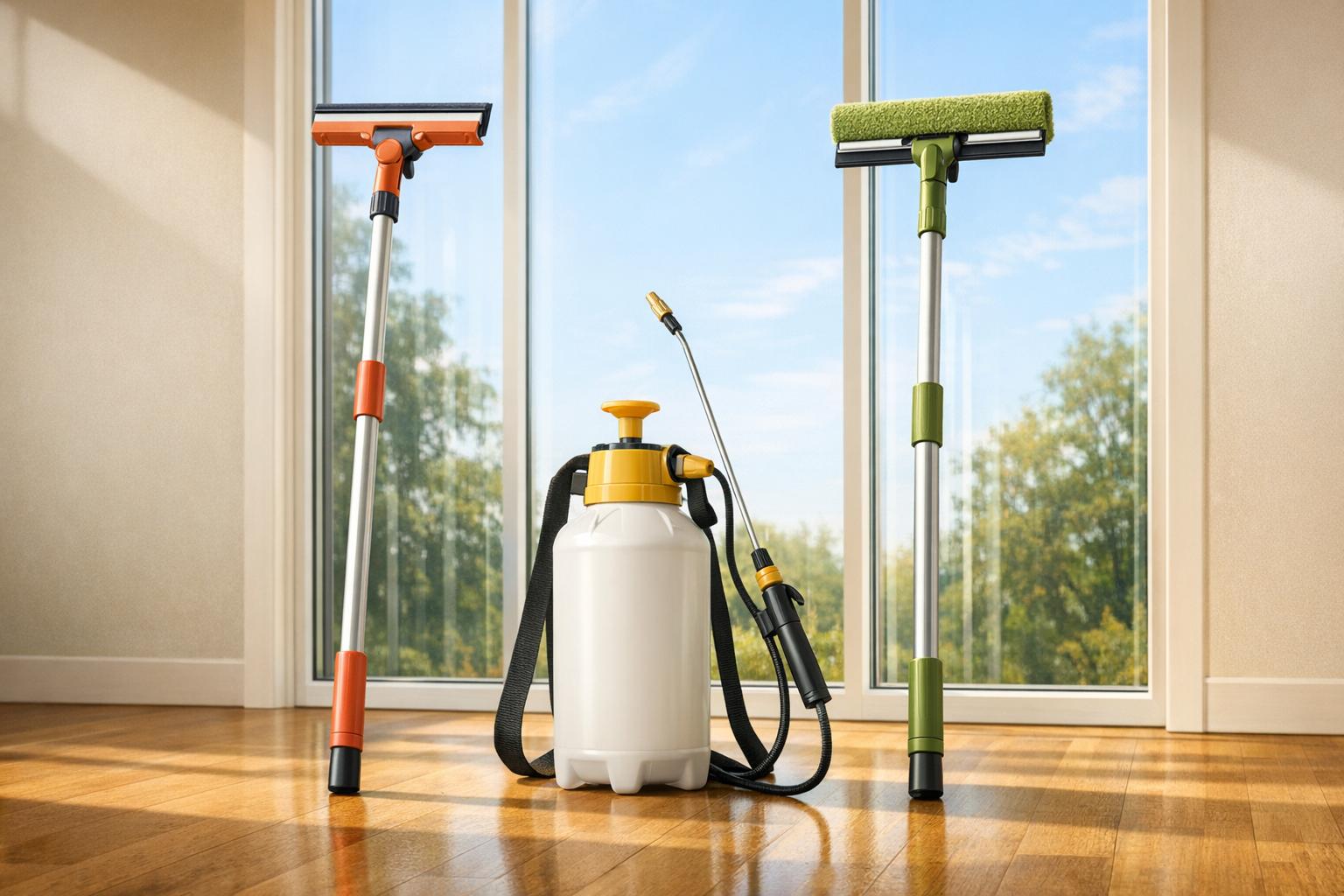
- Telescoping poles: Perfect for reaching those high skylights, whether you're working indoors or outdoors.
- Microfiber cloths: These are great for achieving a streak-free finish while trapping dirt and grime without scratching delicate surfaces.
- Soft sponges: Ideal for gentle scrubbing on glass, acrylic, or plastic skylights. Avoid abrasive materials like steel wool or rough brushes that could cause damage.
- Squeegees: A must for removing water and avoiding streaks on glass skylights. Make sure the rubber blade is in good condition - worn or nicked blades can leave marks.
- Bucket and distilled water: Use a bucket to mix your cleaning solution. If you’re in an area with hard water, opt for distilled water to prevent mineral spots.
Once your cleaning tools are ready, it's time to focus on safety - especially if you're tackling high skylights.
Safety Equipment for High Skylights
When working at heights, safety is non-negotiable. Here's what you need:
- Non-slip shoes: These provide better footing when climbing ladders or working on roofs.
- Safety harness: Essential for exterior cleaning jobs at significant heights, a harness ensures your weight is evenly distributed and securely anchored.
- Sturdy ladders: Use a ladder suited to the height and angle of your work area. Always secure it properly, and if possible, have someone nearby to assist. Avoid overreaching - move the ladder instead.
- Work gloves: These protect your hands from cleaning solutions while improving your grip on tools, reducing the risk of accidents in wet conditions.
Taking these precautions not only keeps you safe but also helps maintain the condition of your skylights.
Selecting the Right Cleaning Solutions
With your tools and safety gear ready, the next step is choosing the correct cleaning solution for your skylight material. The right solution ensures a clear, long-lasting finish.
- Glass skylights: For regular cleaning, a mild soap solution works well. For tackling mineral deposits, a vinegar solution is effective.
- Acrylic and plastic skylights: These need gentler care. Stick to mild soap solutions and avoid ammonia-based cleaners, which can lead to clouding or cracking. Always test the solution on a small area first to ensure compatibility.
| Tool/Equipment | Purpose | Recommended Use |
|---|---|---|
| Telescoping Pole | Reach high skylights | Indoor/Outdoor |
| Microfiber Cloth | Clean and dry without streaks | All skylight types |
| Soft Sponge | Scrub gently without scratching | Glass, Acrylic, Plastic |
| Squeegee | Remove water and prevent streaks | Glass skylights |
| Non-Slip Shoes | Prevent slipping on ladders or roofs | Exterior cleaning |
| Safety Harness | Secure yourself when working at heights | Exterior cleaning |
| Mild Soap Solution | General cleaning | Glass, Acrylic, Plastic |
| Vinegar Solution | Remove mineral deposits | Glass skylights |
| Distilled Water | Ensure streak-free drying in hard water areas | Hard water areas |
Professional window cleaners often use pure water systems with telescoping poles for spotless, residue-free results [4].
How to Clean Skylights Step by Step
With your tools and safety gear ready, it’s time to dive into the cleaning process. Following these steps in the right order will help you get your skylights sparkling clean while avoiding any damage.
Remove Debris and Loose Dirt First
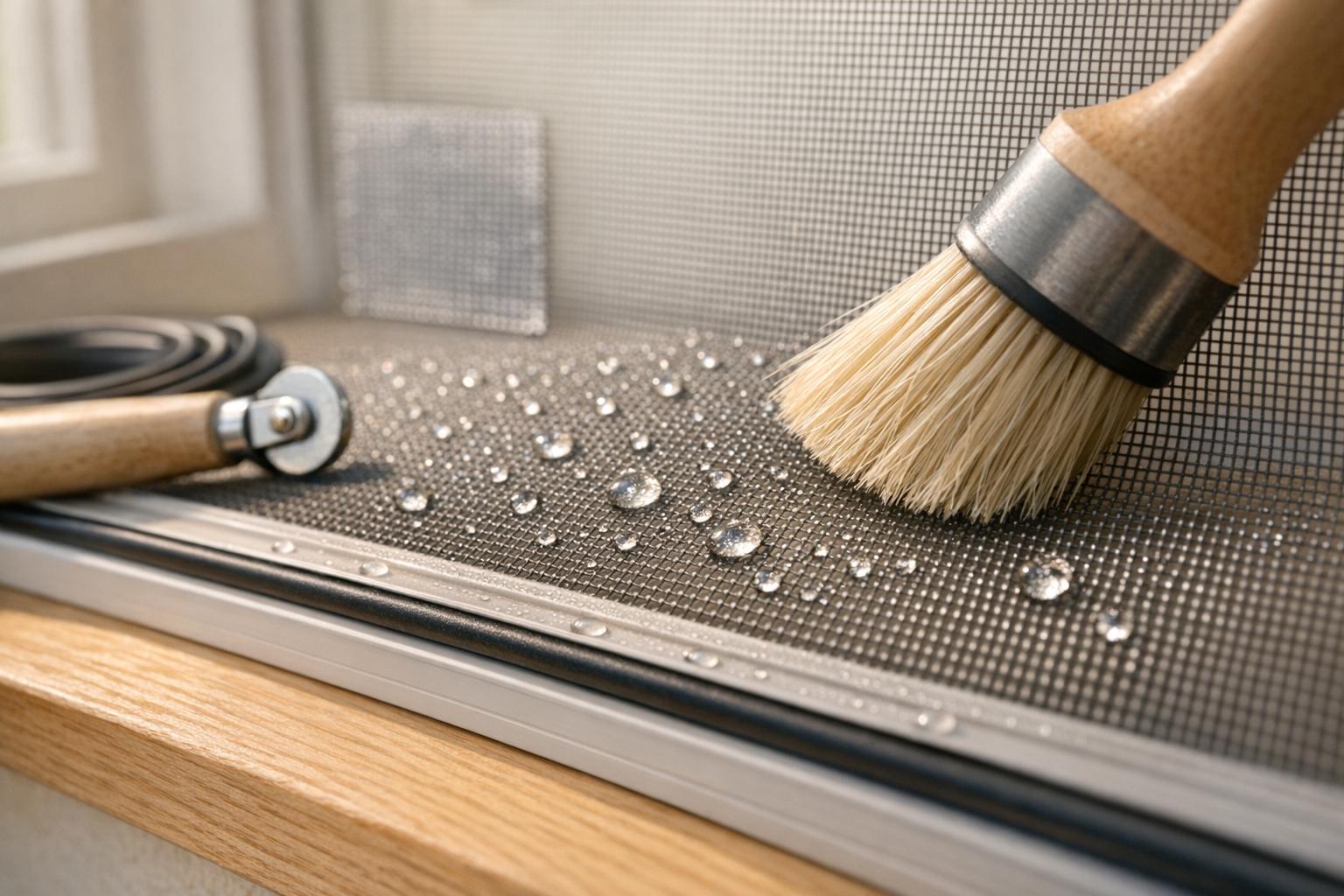
Begin by clearing away all loose debris before applying any water. Use a soft-bristled brush or a vacuum with a brush attachment to gently remove leaves, twigs, dust, and cobwebs, paying extra attention to corners and edges.
For exterior skylights, promptly remove bird droppings and organic debris to prevent surface etching. If you encounter stubborn debris, use a plastic scraper to carefully lift it off. Avoid using metal scrapers, as they can scratch the surface.
Tip: Acrylic or plastic skylights require extra care - stick to soft brushes only.
Wash and Rinse the Surface
Apply your cleaning solution using a soft sponge or microfiber cloth. Work in small sections, starting at the top and moving downward to prevent dirty water from dripping onto areas you’ve already cleaned. Use gentle, circular motions instead of scrubbing aggressively.
For tougher stains, let the cleaning solution sit for a few moments before lightly scrubbing. Avoid using scrapers or harsh abrasives on acrylic or plastic skylights, as they can cause permanent damage [7][2].
Rinse thoroughly with clean water to remove all soap residue. Leftover soap can leave streaks and attract dirt more quickly. Professional services like Window Cowboy often use pure water systems when cleaning exterior skylights. These systems help achieve a streak-free finish and prevent grime, streaks, and hard water stains from forming [5].
A proper rinse ensures a smooth drying process.
Dry Without Leaving Streaks
Drying immediately after rinsing is key to achieving a spotless, streak-free finish. For glass skylights, use a squeegee with a sharp rubber blade. Work from top to bottom in overlapping strokes, wiping the blade clean after each pass to avoid redistributing water.
For acrylic or plastic skylights, stick to microfiber cloths for drying. Be sure to dry promptly to prevent water spots from forming.
If hard water is an issue in your area, consider using distilled water for the final rinse to avoid mineral spots as the skylight dries.
Clean Frames and Check Seals
Once the skylight surface is dry, shift your attention to the frames and seals. Use warm, soapy water and a soft cloth to clean the frames, removing dirt and grime that could transfer to the skylight later. While cleaning, inspect the seals for any signs of leaks, cracks, or damage [7][3].
If you notice gaps in the weatherstripping or caulking, apply a waterproof sealant or silicone caulk to restore the skylight’s weather resistance [7][3]. Tackling small maintenance issues now can save you from bigger problems later on.
Don’t forget to check the drainage channels around the frame. Clear any blockages to ensure water can flow freely during heavy rains. Proper drainage helps protect both the skylight and your roof from water damage.
| Cleaning Step | Glass Skylights | Acrylic/Plastic Skylights |
|---|---|---|
| Debris Removal | Soft brush, plastic scraper for tough spots | Extra gentle brush only, no scrapers |
| Washing | Mild soap or vinegar solution | Mild soap only, test first |
| Drying | Squeegee or microfiber cloth | Microfiber cloth only |
| Frame Cleaning | Standard soapy water | Standard soapy water |
Regular Maintenance and Inspection Tasks
Keeping up with routine maintenance and inspections is key to spotting early issues and ensuring your skylight continues to perform well.
Check for Damage and Wear
Start by examining the skylight for cracks, chips, or scratches. Pay attention to any discoloration or etching on the glass, which could be caused by acidic substances like bird droppings or tree sap.
If you have a glass skylight, even small chips near the edges can worsen over time due to temperature fluctuations. For acrylic or plastic skylights, watch for clouding or yellowing, which can result from exposure to harsh cleaning chemicals or overly aggressive scrubbing.
Don't forget to inspect the skylight frame. Look for rust, corrosion, or warping that could weaken the seal. Metal frames may develop rust spots, while wooden frames are prone to rot or swelling from moisture. After checking for surface damage, shift your attention to the seals and flashing, which are critical for preventing leaks.
Inspect Seals and Flashing
Seals and flashing are your skylight's primary defense against water damage. In fact, over 60% of skylight leaks are caused by issues with seals or flashing [3]. Regular checks can save you from costly repairs.
Walk around the skylight and inspect for gaps, cracks, or missing caulking and weatherstripping. Examine both the interior and exterior seals. Warning signs include peeling caulk, hardened or brittle rubber seals, and spots where daylight is visible through the seal.
As one satisfied customer shared:
"Our technician Austin was very thorough and our windows have never looked better. He also noticed a few seals that had gone bad and was careful to make note of each one." - Audrey Snoor, Window Cowboy customer [5]
If you notice condensation trapped between glass panes, it often means the sealed unit has failed and may need replacing [6].
Once the seals and flashing are checked, it's time to address internal factors that could affect skylight performance.
Control Condensation and Ventilation
Condensation forms when warm indoor air meets the cooler surface of a skylight, creating the perfect conditions for mold and water damage. This is especially common in bathrooms, kitchens, or humid climates. To minimize condensation, ensure proper ventilation by keeping nearby vents clear and using exhaust fans in moisture-prone areas.
Adding insulation around the skylight can help keep surfaces warm, reducing condensation risks. For vented skylights, test the opening mechanism regularly to ensure it operates smoothly. If condensation remains a problem despite these efforts, you might want to explore solutions like upgrading to double-pane skylights with better thermal properties [1].
How Often to Clean and Inspect
Plan to clean and inspect your skylights every 6–12 months [8]. However, if your skylight is under heavy tree cover or in an area with high pollution, you may need to do this more often.
Seasonal maintenance is also a smart approach. Spring inspections can reveal damage from winter, while fall maintenance helps prepare for harsher weather. After severe storms, it's wise to check for damage or debris buildup as well.
Keeping a log of inspection dates and findings can help you stay on top of maintenance. Addressing small issues promptly can prevent them from turning into costly repairs.
| Inspection Frequency | Standard Conditions | High-Risk Conditions |
|---|---|---|
| Cleaning | Every 6–12 months | Every 3–6 months |
| Seal Inspection | Every 6 months | Every 3 months |
| Storm Damage Check | After severe weather | After any significant weather |
| Professional Service | Annually | Every 6 months |
sbb-itb-4ae7296
Common Problems and How to Prevent Them
Even the best-maintained skylights can run into issues over time. By staying vigilant and addressing potential problems early, you can avoid expensive repairs and ensure your skylights remain in great shape for years.
Warning Signs to Watch For
Spotting these early warning signs can save you a lot of trouble down the line:
- Cracks, holes, or scratches: These can weaken the skylight and lead to leaks[2].
- Discoloration: If the frame or glass shows signs of discoloration, it could mean water damage or mineral buildup[7].
- Leaks around seals or flashing: This often points to failed seals, allowing water to seep into your home’s structure[2].
- Condensation between glass panes: This indicates a failed sealed unit, which may need replacing[3].
- Tree sap, bird droppings, or mineral deposits: Left untreated, these can etch the glass over time[2].
- Motorized skylight issues: Problems with gears or motors should be inspected right away[2].
Tackling these issues early helps extend the life of your skylights and prevents further complications.
Steps to Make Skylights Last Longer
Routine cleaning is essential, but there are additional steps you can take to protect your skylights:
- Material-specific care: Glass skylights need regular cleaning to prevent etching, while plastic and acrylic skylights require gentler handling to avoid scratches and stains[2].
- Skip harsh chemicals: Avoid using bleach or ammonia, as these can damage seals and scratch the glass. Instead, opt for warm water mixed with mild soap or a vinegar solution applied with a soft cloth[8].
- Choose the right time to clean: Clean your skylights during cooler parts of the day - early morning or late afternoon - to prevent water spots and streaks[9].
- Trim surrounding trees: Overhanging branches can drop leaves, sap, or debris onto your skylights, potentially causing damage or blocking rainwater flow[3][9].
- Maintain sealants and flashing: If you notice damage or leaks, apply a waterproof sealant or silicone-based caulk to keep everything watertight[7].
- Dry properly after cleaning: Use a microfiber cloth in gentle, circular motions to avoid streaks and scratches. Steer clear of metal squeegees, which can harm the surface[7][9].
When to Call a Professional
Sometimes, it’s best to leave the job to the experts. Here’s when to consider professional help:
- Safety concerns: If your skylights are hard to access and require ladders or scaffolding, it’s safer to call a professional[9].
- Persistent leaks: Ongoing leaks often mean seal or flashing failure, which needs expert attention[2].
- Motorized skylight repairs: Issues with gears or motors require specialized tools and training[2].
- Stubborn stains: Tree sap, berries, and bird droppings can be tough to remove without damaging the skylight. Professionals have the right techniques for this[2].
- Plastic and acrylic skylights: These are more prone to damage from improper cleaning and may benefit from regular professional maintenance[2].
- Visible structural damage: Cracks, holes, or worn cladding should be assessed by a professional to determine whether repair or replacement is needed[9].
Professional cleaning teams not only have the proper tools and products for your skylight type but also ensure the work is done safely and effectively[2].
Benefits of Professional Skylight Cleaning
Sometimes, tackling skylight cleaning on your own might seem like a practical way to save money. But professional cleaning services offer benefits that go far beyond what DIY efforts can achieve. With the right tools, techniques, and safety measures, professionals ensure your skylights are not only spotless but also functioning at their best.
What Professionals Bring to the Job
Professional skylight cleaners come equipped with tools and expertise that go beyond the standard cleaning supplies most homeowners have. They understand the specific needs of different skylight materials. For example, acrylic and plastic skylights are more prone to scratches and staining, making professional care essential to avoid damage [2][6]. Glass skylights, on the other hand, require expert cleaning to prevent etching and maintain their clarity [2].
Using advanced cleaning technology, professionals can keep skylights crystal clear for up to six times longer [5]. This not only extends the time between cleanings but also saves money in the long run by reducing maintenance frequency.
Safety is another key advantage. Cleaning skylights often involves working at heights, which can be risky without proper training and equipment. Professional cleaners are insured and trained to handle these challenges safely and efficiently, minimizing the risk of accidents. As one customer shared:
"Gavin did an amazing job, very respectful and careful with our furniture and property while cleaning the windows." - Matthew
Beyond cleaning, professionals can detect issues like cracks, scratches, or etching that might go unnoticed during a DIY job. By addressing these problems early, they help prevent more expensive repairs down the road. This combination of thorough cleaning and proactive care ensures skylights stay clear and functional for years.
Window Cowboy: Skylight Cleaning in Charlotte, NC

If you're in the Greater Charlotte area, Window Cowboy offers professional skylight cleaning services that stand out. Founded by three friends - Beau, Zandr, and Logan - the company has earned a reputation for delivering exceptional results across Charlotte, Lake Norman, Mooresville, and Hickory. They even extend their services into parts of South Carolina, including Rock Hill and Lake Wylie.
Window Cowboy uses a pure water cleaning technique that effectively removes dirt, streaks, grime, and hard water stains. This method is gentle on skylights and enhances natural light by eliminating buildup that can obscure your view.
Customer satisfaction speaks volumes about their quality of work. One happy client noted:
"Our windows are impeccable, spotless, and completely renewed after a visit from Window Cowboys yesterday." - Corey Honeycutt
Additionally, Window Cowboy’s technicians are trained to spot potential issues during their visits. This proactive approach not only keeps your skylights looking their best but also helps prevent costly repairs in the future. With their comprehensive service, your skylights are guaranteed to stay clear and functional for the long haul.
Keep Your Skylights Clean and Working Well
Keeping your skylights clean and in good condition requires a consistent maintenance routine. This includes regular inspections, promptly clearing away debris, and scheduling deep cleanings periodically to ensure optimal performance.
Glass skylights are durable enough for routine cleaning but may develop etching over time [2]. On the other hand, acrylic and plastic skylights need gentler cleaning solutions and often benefit from more frequent professional care [2][6]. Always refer to the manufacturer's guidelines to prevent accidental damage.
In between professional cleanings, there are simple maintenance steps you can take to protect your skylights. Clear away leaves and debris as soon as you notice them. During inspections, check for cracks or gaps in the seals and flashing that could lead to leaks. Also, pay attention to any persistent condensation, as this might signal a ventilation problem. These small tasks can prevent bigger problems and make professional care more effective.
Professional inspections are especially valuable for catching issues like failing seals early, saving you from expensive repairs down the line.
For homeowners in the Charlotte area, Window Cowboy offers an advanced pure water cleaning system that effectively removes dirt, streaks, grime, and hard water stains without harming skylight surfaces. Their method keeps skylights clearer up to six times longer compared to standard cleaning techniques, reducing the need for frequent cleanings and saving you money over time. Plus, their fully insured and licensed team provides peace of mind when working on high-access areas like skylights.
FAQs
What’s the best way to clean hard-to-reach skylights safely without hiring a professional?
Cleaning skylights that are hard to reach can feel like a challenge, but the right tools can make the job much easier - and safer. Extension poles equipped with cleaning attachments like squeegees or microfiber pads are a great option. They let you clean effectively without the risks of climbing or overreaching. If a ladder is necessary, double-check that it's placed on a stable surface to minimize any hazards.
If you'd rather skip the effort altogether, professional services - like those provided by Window Cowboy - offer a convenient solution. They’ll ensure your skylights are cleaned thoroughly, leaving them streak-free and helping maximize the natural light in your home.
How can I tell if my skylight seals or flashing need to be repaired or replaced?
If your skylight’s seals or flashing are showing signs of wear, you might spot water leaks, fogging or condensation trapped between the glass panes, or visible damage to the flashing around the skylight. Ignoring these issues can affect how well your skylight performs and may even cause more extensive damage over time. Routine inspections are a simple way to catch these problems early and ensure your skylight stays in good shape.
When is the best time of year to clean and maintain skylights?
When it comes to cleaning and maintaining skylights, timing can make a big difference. Spring and fall are often the best seasons for this task. The milder weather during these times makes it easier to tackle the dirt and debris that build up during the harsher winter and summer months. Regular upkeep in these seasons helps keep your skylights crystal clear, ensuring they let in as much natural light as possible.
If you want spotless, streak-free skylights without the hassle, professional services like those from Window Cowboy are a great option. By scheduling routine cleanings during these ideal times, you can enhance the brightness of your space and even improve energy efficiency in your home or business.