Our Blog

by Admin
|

Sep 26, 2026
How Professionals Clean Exterior Windows
Professionals clean exterior windows using specialized tools and techniques to ensure spotless, streak-free results while prioritizing safety and efficiency. Their methods go beyond DIY approaches, tackling tough stains, hard-to-reach areas, and long-term maintenance needs. Here's what you need to know:
- Key Tools: High-quality squeegees, microfiber scrubbers, and advanced water-fed pole systems with deionized water ensure a residue-free finish.
- Techniques: Professionals clean on overcast days to avoid streaks, overlap squeegee strokes for consistency, and use pure water to prevent mineral spots.
- Safety: They rely on stabilizing ladders, harnesses, and anti-slip gear to minimize risks, especially for high windows.
- Cost: Exterior window cleaning typically costs $4–$15 per window, with added value from thorough cleaning of frames, sills, and window tracks.
- Benefits: Regular cleaning extends window lifespan by removing pollutants and debris that can cause permanent damage.
For homeowners, hiring professionals saves time, reduces safety risks, and delivers better results than DIY methods.

Professional Window Cleaning Process: Tools, Techniques & Safety Steps
PRO WINDOW CLEANING TECHNIQUES | AMATEUR TO PROFESSIONAL
sbb-itb-4ae7296
Tools Professionals Use for Window Cleaning
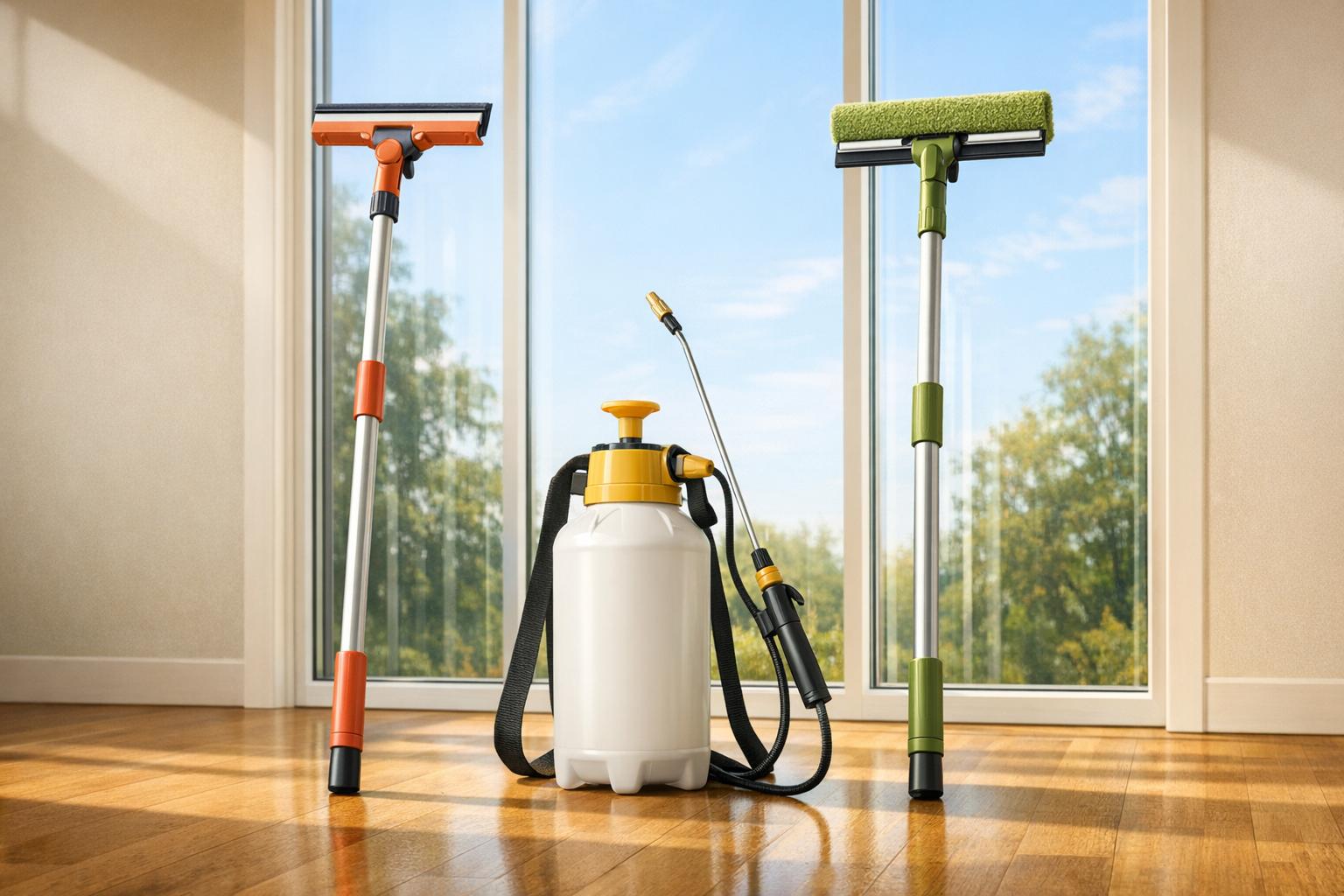
Professionals rely on advanced tools that go far beyond basic household items like spray bottles and paper towels. These specialized tools are key to achieving streak-free results efficiently and safely. Understanding what they use - and why - sheds light on how they consistently deliver superior results.
Professional Squeegees and Scrubbers
The squeegee is the backbone of professional window cleaning. High-quality models feature durable materials like stainless steel, brass, or aluminum handles, paired with replaceable, precision-cut rubber blades [5]. These blades glide effortlessly across glass, leaving no streaks or water marks. For peak performance, professionals replace the rubber blades every 1–2 weeks [5].
To apply cleaning solutions and tackle grime, professionals use T-bars (or strip washers) fitted with microfiber or bronze wool sleeves [6]. These tools are excellent for scrubbing away dirt. For tougher tasks, such as removing paint splatters or bird droppings, they rely on carbon steel scrapers or fine-grade (#0000) steel wool, which effectively removes buildup without scratching the glass [2].
For cleaning high or hard-to-reach windows, professionals also turn to advanced systems designed to maximize efficiency.
Water-Fed Poles with Deionized Water Systems
Water-fed poles have transformed the way professionals clean high windows. Made from lightweight materials like carbon fiber or aluminum, these telescoping poles can extend over 30 feet, allowing cleaners to reach upper-story windows while staying safely on the ground [6]. The poles are equipped with brush heads that deliver purified water directly to the glass, scrubbing and rinsing in one step.
The secret behind this system is deionized (DI) water. By using multi-stage filtration, including Reverse Osmosis and Deionization, tap water is stripped of minerals, resulting in a purity level of 0–10 parts per million (PPM) of Total Dissolved Solids [8]. According to J. Racenstein:
"Pure water dries spot free, meaning there is no residue left on the window. Left over detergent also attracts more dust and grime, so using pure water keeps windows cleaner longer" [9].
This method not only delivers a spotless finish but also helps windows stay cleaner over time. The pure water naturally bonds with dirt, lifting it off the surface and rinsing it away completely [3]. Plus, windows cleaned with this technique air-dry without needing additional wiping or squeegeeing.
Safety Equipment and Ladders
Safety is a top priority in professional window cleaning, and the right equipment ensures both efficiency and protection. Extension ladders equipped with stabilizers are commonly used to prevent wobbling and safeguard the siding of homes [6]. For roof or high-rise work, cleaners rely on fall protection harnesses with multiple attachment points.
To handle cleaning solutions safely and maintain stability on slippery surfaces, professionals wear chemical-resistant nitrile gloves, anti-fog safety goggles, and anti-slip footwear [6]. Many also use tool belts or "bucket-on-a-belt" (BOAB) systems to keep essential tools like squeegees and scrapers within easy reach, reducing unnecessary movements while on ladders [6]. This focus on safety not only protects the cleaner but also minimizes risks to the property during the cleaning process.
How to Clean Exterior Windows Without Streaks
Getting streak-free windows takes a mix of good timing, the right prep work, and proper technique.
Preparing Windows and Surrounding Areas
Timing is everything when it comes to window cleaning. Experts recommend avoiding direct sunlight or hot days because the heat can make the cleaning solution evaporate too fast. As Shine Window Cleaning explains:
"If [the window panes] are too warm, the cleaning solution will evaporate before you can wipe it away, resulting in unfortunate streaking" [10].
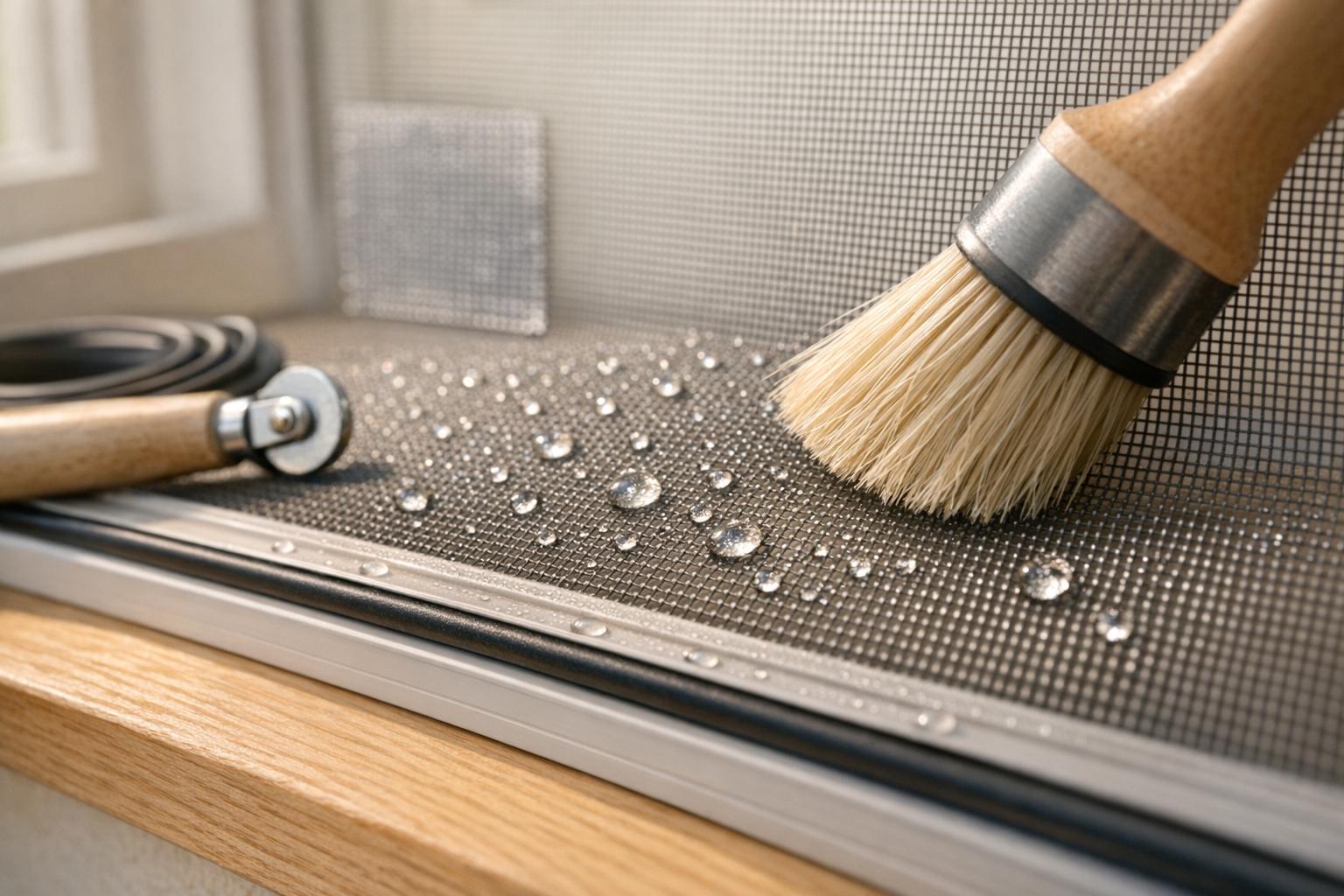
Overcast days are perfect for the job. They cut down on glare and make it easier to see any spots you might miss [10]. Before starting, dust the window frames and sills with a soft brush attached to an extendable pole. This prevents dirt from turning into muddy streaks when water is introduced [10]. A quick rinse with a garden hose removes surface grime and grit, making the scrubbing process smoother [10]. To keep water from pooling or damaging nearby areas, professionals often place rolled-up towels at the base of the windows [10].
Once the surface is prepped, you’re ready to move on to squeegeeing and scrubbing for that streak-free shine.
Squeegee and Scrubbing Techniques
The squeegee is where the magic happens. Start by angling the squeegee so only the corner touches the glass, creating a clean strip along one side. Then, pull the squeegee vertically from top to bottom [4].
For the rest of the window, overlap each squeegee stroke by about 2 inches, angling the blade to push excess water toward the uncleaned section [4]. After every pass, wipe the blade with a lint-free towel to avoid transferring dirty water back onto the glass - a key step in avoiding streaks [4][10]. When mixing the cleaning solution, stick to one teaspoon of dish soap per two gallons of water. Too much soap can leave a cloudy film behind [4][10]. After squeegeeing, use a lint-free rag to dry the edges of the window, running your finger along the perimeter to catch any leftover drips or suds [4].
For stubborn stains or mineral deposits, you’ll need some specialized tools and techniques.
Removing Tough Stains and Hard Water Spots
Sometimes, regular squeegeeing isn’t enough to deal with tough stains. For non-tempered glass, a razor blade in a holder can scrape off paint splatters, but always work on wet glass to avoid scratches. For organic stains, test a small area with a fine white nylon scrub pad to make sure it won’t damage the surface [4][10].
Hard water spots and mineral buildup often require a stronger approach. Mild household abrasives can work wonders, and in tougher cases, professionals use a power drill with a polishing attachment [4]. For greasy grime, mix ½ cup of ammonia per gallon of water. And if you’re cleaning windows in freezing weather, adding windshield washer fluid to the mix will keep the solution from freezing on the glass [4].
These techniques ensure even the toughest spots don’t stand a chance.
Advanced Cleaning Methods and Technology
Modern cleaning techniques are taking window maintenance to the next level. By combining specialized tools with advancements in pure water technology, these methods deliver streak-free results that last longer than traditional cleaning approaches.
Cleaning with Deionized Water for Spot-Free Results
Deionized water is a game-changer for achieving spotless windows. By removing all dissolved minerals, it eliminates streaks and spots caused by water drying on glass. The process involves a multi-stage filtration system: a carbon filter removes chlorine, a reverse osmosis membrane filters out 95–98% of dissolved solids like calcium and magnesium, and a deionization resin brings Total Dissolved Solids (TDS) down to 0 parts per million (ppm) - the gold standard for professional window cleaning [11]. For comparison, tap water generally has 100–500 ppm of dissolved solids, which leave visible residue when it dries.
Windows cleaned with deionized water not only look pristine but also stay that way up to 30% longer compared to those cleaned with detergents [13]. Since the water evaporates without leaving behind any residue, there’s no need for toweling or squeegeeing. This approach also helps extend the lifespan of windows and reduces maintenance costs over time.
Professionals use lightweight telescopic poles fitted with brush heads to deliver deionized water directly to the glass, frames, and sills. A professional-grade setup, including the purification system, carbon fiber poles, and brushes, can cost $2,000 or more [3]. To ensure consistent results, technicians use handheld TDS meters to monitor water quality, replacing deionization resin cartridges when TDS levels exceed 10 ppm [11].
Cleaning High-Rise and Hard-to-Reach Windows
Water-fed pole systems have transformed the way high-rise and hard-to-reach windows are cleaned. These telescopic poles can safely reach heights of 60–70 feet, with advanced models stretching up to 90 feet - roughly the height of an eight-story building - all while allowing cleaners to work safely from the ground [7][9]. Carbon fiber poles are a popular choice due to their lightweight yet rigid design, which minimizes operator fatigue during long jobs. Attachments like angle adapters and goosenecks make it easier to clean tricky spots, such as skylights and deep sills, while maintaining consistent pressure on the glass.
The cleaning process typically starts with scrubbing the frames and sills to prevent dirty water from dripping onto clean glass. Cleaners then use overlapping strokes, working from the top down for the best results [7].
Jay Racenstein, a recognized expert in water-fed cleaning, highlights the benefits of pure water:
"Pure water dries spot free, meaning there is no residue left on the window. Left over detergent also attracts more dust and grime, so using pure water keeps windows cleaner longer." [9]
Safety is a top priority when using these systems. Professionals always check for overhead electrical lines before extending poles and avoid working in high winds or direct sunlight, which can cause water to dry too quickly [7]. For commercial operations, a complete setup - including a 500–1,000 liter water tank, hose reel, and purification cart - can pay for itself within three to six months of regular use [7]. These advanced techniques complement routine maintenance, ensuring windows remain crystal clear for longer periods.
Maintaining Clean Windows After Professional Cleaning
Checking for Missed Spots or Window Damage
To keep your windows looking their best after a professional cleaning, check them during early morning or late afternoon when imperfections like streaks or water spots are easier to spot. Take a close look at each window, both inside and out, and don’t forget to inspect seals, frames, and weatherstripping for any signs of wear or damage [14]. If stubborn mineral deposits show up between cleanings, you can tackle them with a product like Brite & Clean Ultimate Hard Water Stain Remover [17]. These small efforts can help maintain that freshly cleaned look and set the foundation for a regular cleaning routine.
How Often to Clean Your Windows
Most homes benefit from professional exterior window cleaning twice a year, typically in spring and fall [16]. However, if you live in an area with heavy pollution or ongoing construction, you might need to schedule cleanings up to three times a year [16]. Interior windows usually require more frequent attention - monthly cleanings are ideal for keeping smudges and fingerprints under control [16].
In between professional services, weekly maintenance like dusting frames and sills with a microfiber cloth and spot-cleaning smudges as they appear can go a long way [14][15]. Don’t overlook your window screens - clean them at least once a month since dirty screens can transfer grime back onto your glass during rain or when windows are opened [14]. Keeping landscaping trimmed to ensure plants and trees are at least three feet from your windows also helps reduce exposure to pollen, sap, and other debris [14].
For quick touch-ups, you can mix a DIY cleaning solution: combine 1/4 cup rubbing alcohol, 1/4 cup white vinegar, 1 tablespoon cornstarch, a few drops of dish soap, and 2 cups of water in a spray bottle [17]. Just make sure to clean on a cloudy day to prevent the solution from drying too fast and leaving streaks [16]. These steps will help you keep your windows looking spotless year-round.
Why Hire Professional Window Cleaners
Benefits of Professional Window Cleaning Services
Hiring professional window cleaners goes beyond achieving a streak-free shine. They use advanced tools like deionized water systems, which remove minerals that cause streaking. This soap-free method not only leaves windows crystal clear but also prevents sticky residue that can attract dirt and pollutants over time [12].
Safety is another key advantage. Professionals avoid ladder-related risks by using equipment like water-fed poles that can extend up to 60 feet, paired with strict safety protocols. This significantly reduces the chances of falls or injuries, making it a safer alternative to DIY cleaning [3] [20].
Beyond just cleaning the glass, professionals handle the often-overlooked areas like frames, sills, tracks, and screens. They also spot potential issues, such as damaged seals or malfunctioning mechanisms, early on - helping you avoid costly repairs down the line [12] [18] [19]. On average, professional window cleaning for a home with 20 windows costs about $220, with per-window rates ranging from $4 to $15 [2] [1]. When you factor in the cost of equipment, the time involved, and the safety risks, professional services offer a practical and efficient solution. This is especially true in areas like greater Charlotte, where companies like Window Cowboy deliver exceptional results.
About Window Cowboy

Window Cowboy is a trusted name in the greater Charlotte, NC area, serving communities like Lake Norman, Mooresville, Hickory, and even parts of South Carolina, including Rock Hill and Lake Wylie. With a 5-star customer rating [19], the company was founded by three lifelong friends - Beau, Zandr, and Logan - who share a passion for quality service and attention to detail.
Their cleaning approach combines modern technology with tried-and-true techniques. For exterior windows, they use tri-filtered deionized water, which evaporates without leaving any spots. For interior windows, they rely on traditional squeegee methods to ensure a streak-free finish [12]. Pricing ranges from $7 to $15 per window and includes thorough detailing of frames and sills [12].
Window Cowboy prioritizes customer peace of mind. They are licensed, bonded, and insured, and all technicians undergo rigorous background checks [12]. They also back their work with a One-Month Rain Guarantee. If rain impacts your windows within 30 days of service, they’ll return for a free touch-up [12]. This commitment was demonstrated in February 2025, when a hurricane hit Charlotte two weeks after a client’s cleaning. True to their promise, Window Cowboy sent a technician back at no charge [19].
FAQs
Is deionized water safe for all window types?
Deionized water is perfectly safe for use on all types of windows. Its ultra-purified composition ensures a spotless, streak-free result without causing any damage to the glass or nearby materials. This makes it an ideal option for achieving clean and clear windows effortlessly.
How do professionals avoid streaks in hot or sunny weather?
Professionals avoid streaky windows in hot or sunny weather by timing their cleaning sessions during cooler parts of the day - think early mornings or overcast afternoons. They also take extra care when applying cleaning solutions and use tools like squeegees to work efficiently. This helps reduce rapid evaporation, which is a common culprit behind streaks.
What should I do if spots come back after cleaning?
Recurring spots on windows often result from mineral deposits, hard water stains, or leftover cleaning residue. To address this, try using cleaners specifically made for hard water stains and make sure to rinse thoroughly. If the spots are particularly tough to remove, professional services that use advanced techniques, like deionized water, can be a game-changer. Consistent upkeep is crucial, especially in regions where hard water or mineral buildup is a common issue.